The panel discussion strategies that matter most happen before the session. Meet each panelist one on one, agree on a single big idea that the whole panel serves, and write questions that draw a different answer from each person. On the day, open by learning who is in the audience.
Most panels fail in the same way. Four capable people take turns agreeing with each other, and the audience leaves with nothing to act on. That is a preparation problem, and it belongs to the moderator.
What is the moderator’s job on a panel?
To make the audience’s time worth it. The moderator is responsible for the result of the session: what the audience should understand or do afterward. Introducing speakers and keeping time are the smallest parts of the role.
Patti Schutte, presentation strategist at Be Brilliant Presentation Group, prepares panels the way she prepares any presentation, using the Resultations Method: clarify the result first, then build everything else toward it.
How do you prepare panelists before the session?
Meet each one individually, ideally a few weeks ahead. A group prep call tells you the logistics. A one-on-one tells you what each panelist knows that the others do not, and how they want to stand apart.
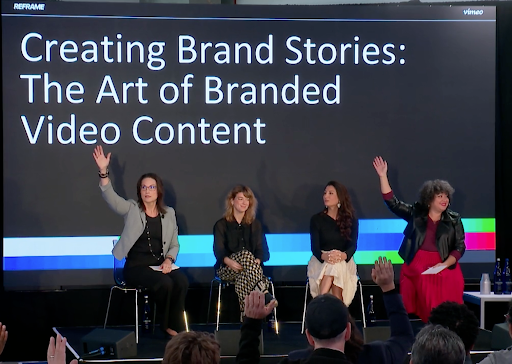
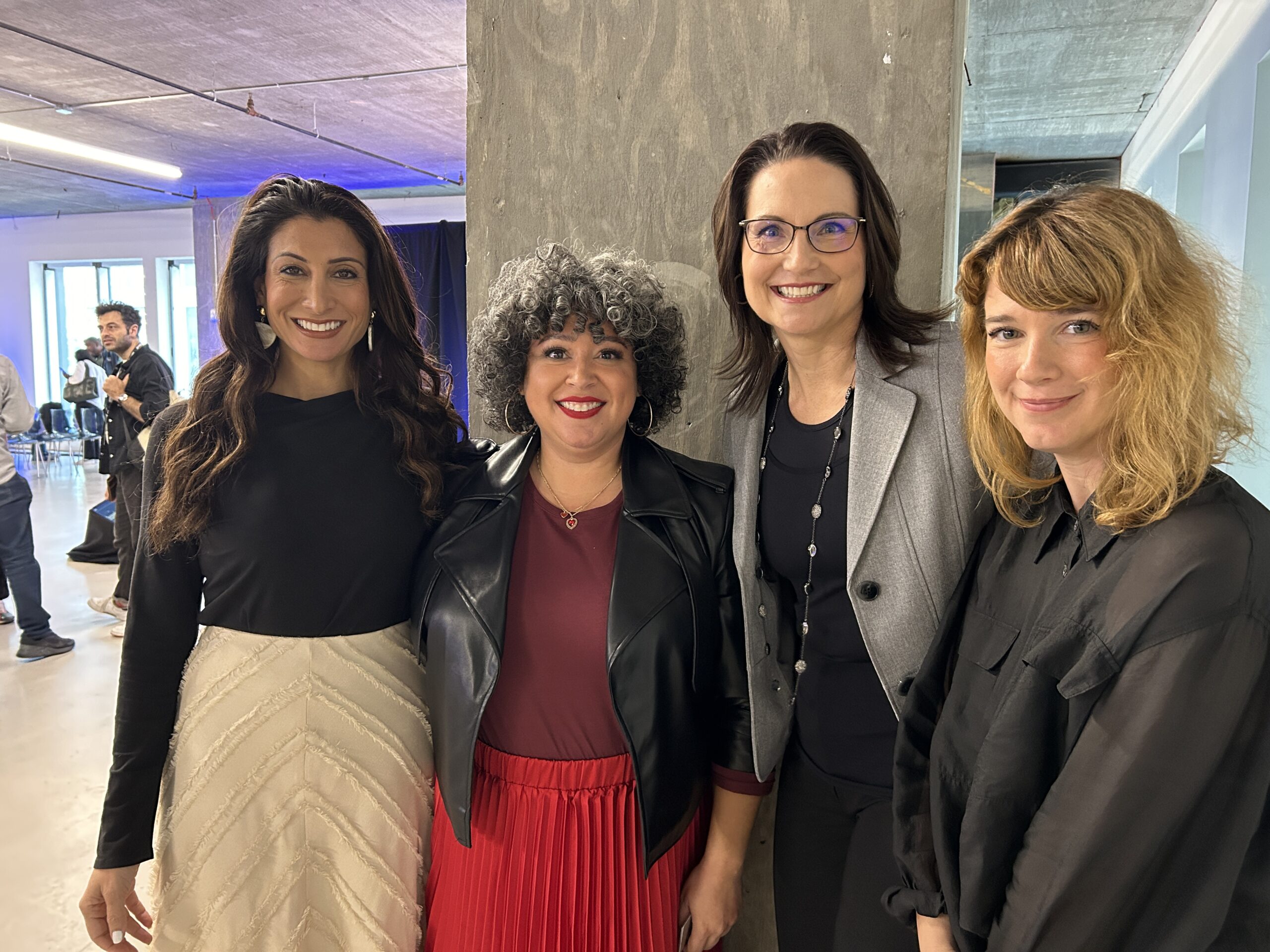
Patti used this approach when she moderated a panel on branded video storytelling at Vimeo REFRAME 2024. The steps:
- Meet one on one with each panelist. Learn their expertise within the topic, the point of view only they hold, and what they want the audience to know them for.
- Define one big idea. Work with the panelists to agree a single message that takes the session title a level deeper. Every question should tie back to it.
- Write questions with intention. Plan which questions go to the group and which go to one person, so each panelist is asked about the thing they are strongest on.
- Review the flow. Read the questions in order and check that the conversation builds. Mark where the audience should have a moment of recognition and where they will be invited in.
Organizations that put leaders on stage often need this done across a whole event, not for one session. Beyond Brilliant is the package for that: Patti works with the team and its speakers on the message, the preparation and the delivery for conference stages, panels included.
How do you stop panelists from all saying the same thing?
By deciding in advance what each person is there to say. Repetition on a panel is rarely the panelists’ fault. They were asked the same broad question and gave the reasonable answer.
| What goes wrong | What the moderator does about it |
|---|---|
| Everyone answers every question | Direct most questions to one named panelist |
| Answers stay general | Ask for the example, the number or the decision behind the opinion |
| Panelists agree politely | Ask one to respond to another: “Where would you do that differently?” |
| One panelist dominates | Thank them, summarize in a line, and bring in someone who has not spoken |
| The session drifts | Return to the big idea out loud and ask the next planned question |
How do you open a panel discussion?
With the audience, not the biographies. Ask the room one question that tells you and the panelists who is listening. Then keep introductions to a sentence each.
At REFRAME 2024, Patti opened by asking the audience whether they were proud of their branded video content, saw room for improvement, or were unsure. The mix of answers let the panelists aim their advice: for those who are proud, here is where to go next, and for those looking to improve, here is where to start. The audience was drawn into a more targeted conversation from the first minute.
How do you handle audience questions on a panel?
Plan when they happen and keep hold of the ending. Say at the start when questions will be taken. When they come, repeat each question so the room hears it, and send it to the panelist best placed to answer.
- Have two questions of your own ready in case the room is slow to start.
- Keep answers to one panelist unless a second has something different to add.
- Do not end on questions. Take them, then close the session yourself.
How do you close a panel discussion?
Ask each panelist for one thing the audience should do, then restate the big idea in a sentence. A panel with no close leaves the audience to work out the point on their own.
Scott Kirsner, writing in Harvard Business Review (2013), describes the panel as an inherently awkward format in which the people on stage can easily ignore the audience. The close is the moderator’s last chance to correct that.
Frequently asked questions
More than you will use, in a planned order. For a forty-five minute panel, prepare around eight to ten, marked for the group or for a named panelist. Expect to get through five or six. The rest are there if an answer falls flat or the audience is quiet.
Yes, the themes and the questions aimed at them. Panelists who know what they will be asked bring better examples. Keep one or two follow-up questions back, so the conversation still has some life in it and does not sound rehearsed.
One sentence each, delivered by the moderator. Say who they are and why their view matters for this topic. Long biographies use up the audience’s attention before anything useful has been said, and the full details are already in the event program.
Difference and direction. The audience stays with a panel when each speaker says something the others could not, and when the conversation is clearly going somewhere. Both come from the moderator’s preparation: one big idea, and questions written for each person.
In short: a good panel is built before anyone walks on stage. Meet each panelist, agree one big idea, and write the questions that bring out what only they can say.